
Foot problems can affect how you walk, stand, and wear your everyday shoes. Bunion Treatment in Upland, CA, can help relieve discomfort and address changes in the position of the toes when a bunion begins to interfere with daily activities.
Bunions and hammertoes are both common foot conditions, but they affect different parts of the foot and cause different changes in the toes. Knowing how they differ can help you recognize the symptoms and understand when it may be time to see a podiatrist.
What Is a Bunion?
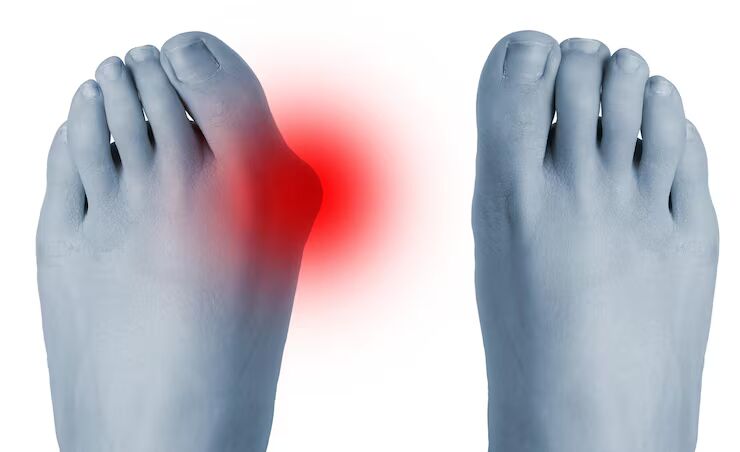
A bunion is a bony bump that develops at the base of the big toe. It occurs when the big toe gradually shifts toward the other toes, causing the joint to move outward and become more noticeable.
As a bunion develops, you may notice pain, swelling, redness, or tenderness around the affected joint. Shoes that press against the area may make these symptoms worse. In some cases, the big toe may also begin to overlap or push against the neighbouring toes.
What Is a Hammertoe?
A hammertoe occurs when one of the smaller toes develops an abnormal bend at one of its joints. Instead of lying flat, the toe may curl or remain bent, which can create pressure against the top of the shoe.
Mild hammertoes may not cause much discomfort at first. As the condition progresses, however, the bent toe may become painful, develop corns or calluses, or make certain shoes uncomfortable to wear.
Difference Between Bunion and Hammertoe
Although both conditions involve changes in toe position, they are not the same problem. The difference between bunion and hammertoe mainly comes down to which toe and joint are affected and how the deformity develops.
| Feature | Bunion | Hammertoe |
| Location | Affects the joint at the base of the big toe | Usually affects one of the smaller toes |
| Appearance | Creates a bump on the side of the foot | Causes the toe to bend or curl |
| Main symptoms | Pain, swelling, redness, or tenderness | Pain, pressure, corns, or calluses |
| Shoe problems | Shoes may press against the bunion | The bent toe may rub against the top of the shoe |
| Toe position | Big toe may move toward the other toes | Smaller toe may remain bent at a joint |
What Causes These Foot Conditions?
Several factors can contribute to bunions and hammertoes. Foot structure and the way your feet move can play a role, while certain habits may place additional pressure on the toes.
Possible factors include inherited foot structure, the way you walk, and wearing shoes that place pressure on the toes. Hammertoes may also be linked to muscle or tendon imbalance, foot structure, and footwear that does not provide enough room for the toes.
When Should You See a Podiatrist?
A mild foot deformity may not need immediate treatment, but ongoing pain or changes in how you walk should not be ignored. Getting an early assessment can help identify the problem and determine whether treatment is needed.
Consider seeing a podiatrist if you notice:
- Ongoing pain or swelling
- Changes in your toe position
- Difficulty finding comfortable shoes
- Corns or calluses caused by pressure
- Pain that affects walking or daily activities
A podiatrist office in Upland can examine your foot, identify the cause of your symptoms, and recommend treatment based on your condition and how it affects your daily life.
How Are Bunions and Hammertoes Treated?
Treatment depends on the severity of the condition and the symptoms you are experiencing. Not every patient needs surgery, and conservative care may help manage symptoms in many cases.
Treatment may include:
- Wearing shoes with a wider toe box
- Using supportive footwear or orthotics
- Changing activities that increase foot pressure
- Considering other treatment options when necessary
A podiatrist near you can assess your foot and explain which options may be appropriate for your condition.
Take the Next Step for Healthier Feet
Bunions and hammertoes can cause discomfort and make everyday activities more difficult when they progress. Family Foot and Ankle Center provides personalized foot care to help identify the cause of your symptoms and recommend appropriate treatment. Contact us today to schedule an appointment and discuss your concerns.
FAQs
Are bunions and hammertoes the same condition?
No. A bunion affects the joint at the base of the big toe and usually creates a bump on the side of the foot. A hammertoe affects one of the smaller toes and causes it to bend or curl.
Can bunions and hammertoes be treated without surgery?
In some cases, symptoms can be managed with wider shoes, supportive footwear, padding, orthotics, and other conservative treatments. The appropriate approach depends on the severity of the condition and your symptoms.
Do bunions and hammertoes get worse over time?
They can become more noticeable or uncomfortable over time, particularly when the underlying causes are not addressed. Early evaluation can help identify appropriate treatment and reduce pressure on the affected area.
When should I see a podiatrist for a bunion or hammertoe?
Consider seeing a podiatrist if you have ongoing pain, swelling, difficulty walking, trouble finding comfortable shoes, or a noticeable change in your toe position. An evaluation can help determine the cause and treatment options.