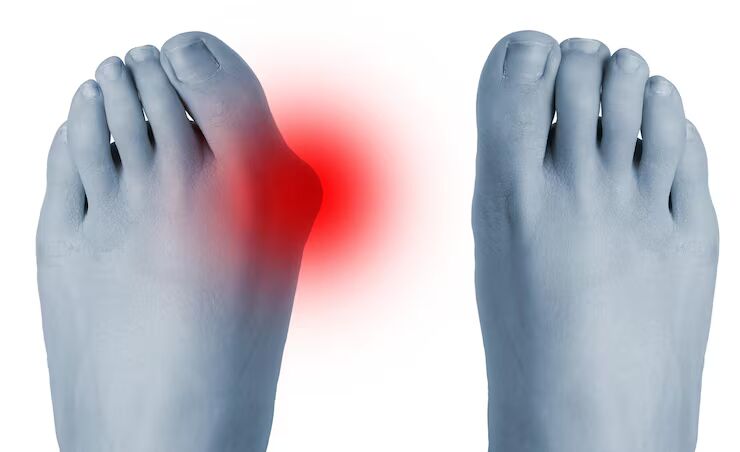

It is common to notice some swelling in your feet or ankles after spending most of the day standing, walking, or sitting. Swollen feet & ankles treatment in Upland, CA,can help find the cause of ongoing swelling and determine the right way to manage it.
Occasional swelling may go away after resting or raising your feet. But if it happens often, becomes painful, affects only one foot, or does not improve with rest, it may need professional attention.
Why Do Your Feet Swell?
Swelling happens when extra fluid builds up in the tissues of your feet and ankles. Gravity can cause this fluid to collect in your lower legs and feet, especially after you have been standing or sitting for several hours.
Common reasons for swollen feet include:
- Standing or sitting for long periods
- Eating too much salt
- Wearing tight shoes or socks
- Being inactive for long periods
- Having an underlying health condition
Mild swelling caused by daily activities often improves with rest and simple changes. If the swelling keeps coming back or has no clear cause, a professional evaluation can help identify the reason.
What Are the Common Ankle Swelling Causes?
There are several possible ankle swelling causes. Some are temporary, such as fluid buildup after a long day, while others may be related to an injury, circulation problem, or another health condition.
Pay attention to other symptoms that happen along with the swelling. Pain, redness, warmth, or changes in your skin may provide important clues about the cause. A healthcare professional can assess your symptoms and determine whether you need further evaluation or treatment.
When Should You Be Concerned About Swollen Feet?
Mild swelling is not always a cause for concern. However, sudden or severe swelling, especially when it comes with other symptoms, should not be ignored. Getting checked promptly can help rule out problems that may require treatment.
Seek professional care if you notice:
- Sudden or severe swelling
- Swelling in only one foot or leg
- Significant pain, redness, or warmth
- Tight or discoloured skin
Knowing when to worry about swollen feet can help you recognize when swelling may need more than home care and professional evaluation.
How Can You Reduce Foot and Ankle Swelling?
If your swelling is mild and related to daily activities, a few simple changes may help improve comfort. These measures can be useful when there are no signs of a more serious problem.
You can try:
- Raising your feet while resting
- Taking regular breaks from sitting or standing
- Moving your feet and ankles throughout the day
- Staying active as recommended
If the swelling continues despite these steps, it is better to have it checked rather than repeatedly managing the symptom on your own.
When Should You See a Podiatrist?
Swelling that keeps coming back may sometimes be linked to a foot, ankle, or circulation problem. A podiatrist can examine the affected area, discuss your symptoms, and determine whether further evaluation or treatment is needed.
If you are searching for a podiatrist near you, consider making an appointment if the swelling becomes more frequent, affects your daily activities, or occurs with pain or other changes. Finding the cause early can help you receive appropriate care.
Get Help for Swollen Feet and Ankles
Persistent or recurring swelling should not be ignored, especially if it is painful or occurs with other symptoms. If you are looking for a
FAQs
Why do my feet swell more at night?
Feet can swell more toward the end of the day because standing or sitting for long periods allows fluid to collect in the lower legs and feet. The swelling may improve after resting, moving around, or raising your feet.
Is it normal for feet to swell after standing all day?
Mild swelling after standing for several hours can be normal because gravity causes fluid to collect in the lower part of the body. However, frequent, painful, severe, or ongoing swelling should be checked by a professional.
How can I reduce swelling in my feet at home?
For mild swelling, try raising your feet while resting, taking regular movement breaks, wearing supportive shoes, and limiting excess salt. If the swelling continues or becomes worse, talk to a healthcare professional.
When should swollen feet be checked by a professional?
You should seek professional care if swelling is sudden, severe, persistent, or affects only one side. You should also get checked if swelling occurs with pain, redness, warmth, skin changes, shortness of breath, or chest discomfort.